
IRELAND and its iconic places
What to see in Ireland apart from Dublin
Traditionally, during the summer holidays, I encourage readers to visit interesting and inspiring places in English-speaking countries. This month’s theme is Ireland, which was featured in one of the previous posts (published in 2024) thanks to its capital, Dublin. In this article though, we will focus on other interesting places the Republic of Ireland has to offer.
While in Dublin, it is worth visiting both nearby places as well as those slightly further afield, located in every direction of the world.
Tradycyjnie w okresie letnim, wakacyjnym zapraszam czytelników do odwiedzenia interesujących i inspirujących miejsc w krajach anglojęzycznych. W tym miesiącu tematem jest Irlandia. Kraj ten pojawił się już w jednym z poprzednich postów ( w 2024 roku) za sprawą stolicy tj. Dublina, natomiast w tym artykule skupimy się na innych interesujących miejscach jakie ma do zaoferowania Republika Irlandii.
Będąc w Dublinie warto zwiedzić zarówno pobliskie, okoliczne miejsca jak i nieco dalsze zakątki zlokalizowane w każdym kierunku świata.
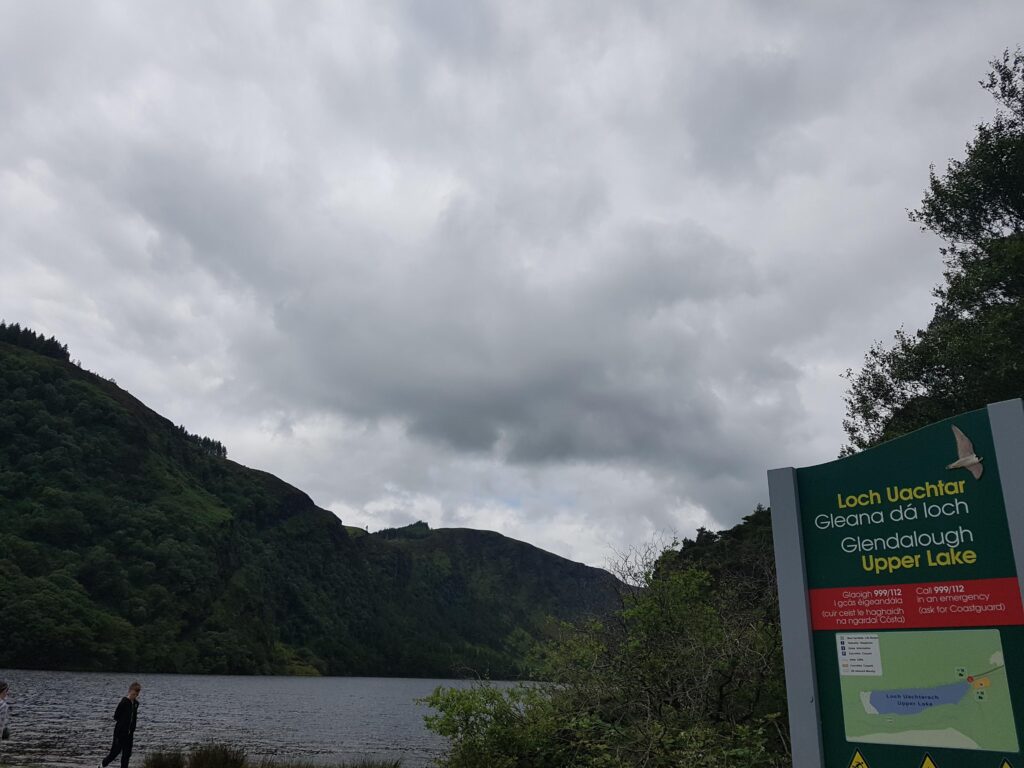
Glendalough, Upper Lake
South of Dublin
Glendalough – The name comes from the Irish words Gleann Dá Loch, literally meaning „valley of the two lakes,” and indeed there are two lakes to be seen there, i.e. the Lower Lake and the Upper Lake. The entire valley is located in the Wicklow Mountains. The name Glendalough also refers to a historic settlement and a medieval monastery, hence the name „monastic town.” Remains of these are scattered throughout the valley and include a round tower, medieval stone churches, including the famous St. Kelvin’s Church, and several decorated crosses. The distance between Dublin and Glendalough is around 50 km and the journey usually takes approximately 40 mins by car depending on traffic.
Na południe od Dublina
Glendalough – nazwa pochodzi z irlandzkiego Gleann Dá Loch, i dosłownie znaczy „dolina dwóch jezior” i rzeczywiście znajdują się tam dwa jeziora: Jezioro Dolne (Lower Lake) oraz Jezioro Górne (Upper Lake). Cała dolina położona jest w górach Wicklow. Nazwa Glendalough odnosi się również do historycznej osady oraz średniowiecznego klasztoru stąd miejsce to nazywane jest również miastem klasztornym, którego pozostałości są rozsiane po całej dolinie i obejmują okrągłą wieżę, średniowieczne kamienne kościoły m.in. słynny kościół św. Kelvina oraz kilka zdobionych krzyży. Odległość między Dublinem a Glendalough wynosi około 50 km, a podróż zazwyczaj zajmuje około 40 minut samochodem, w zależności od ruchu drogowego.
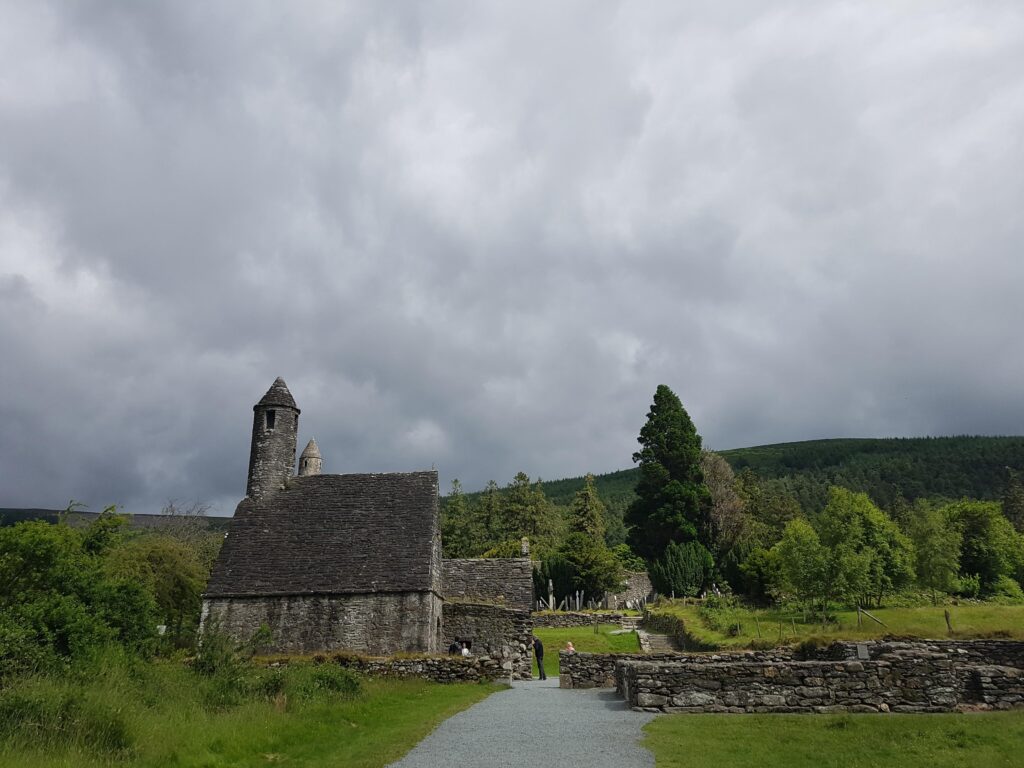
Glendalough, St. Kevin’s Church
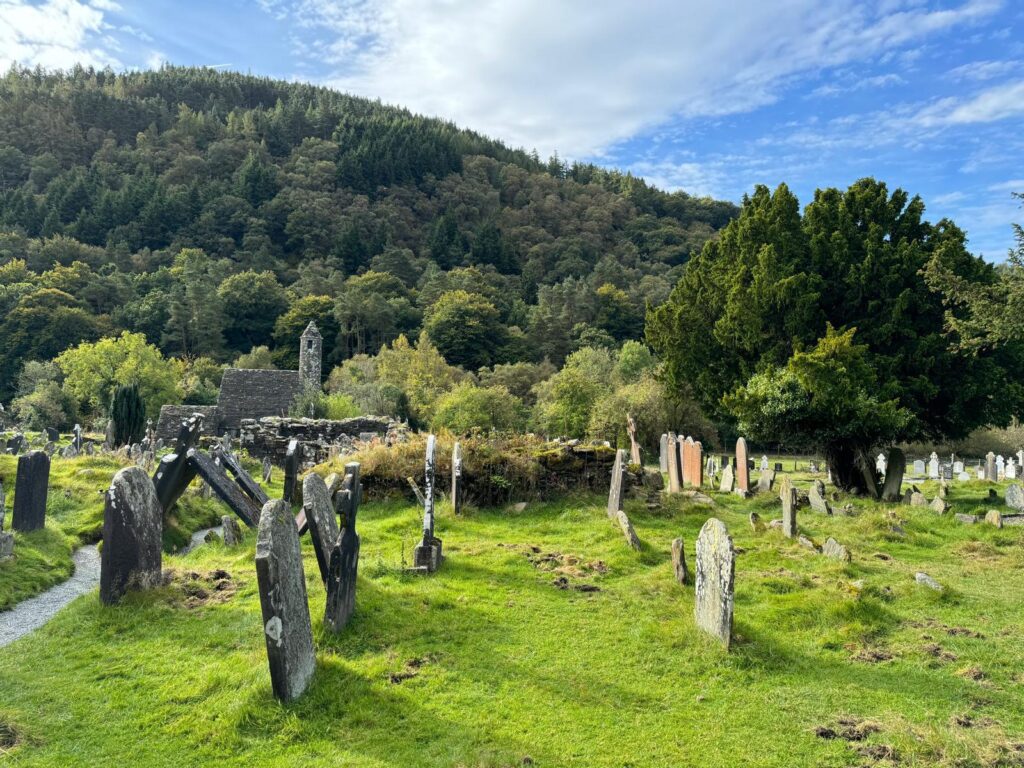
Glendalough, cemetery
Powerscourt is a famous estate in County Wicklow, near Enniskerry (approx. 20 minutes south of Dublin) with an 18th-century manor house, Japanese and Italian-style gardens, a pet cemetery, the Pepperpot Tower and the highest waterfall in Ireland measuring approximately 121m.
Powerscourt to słynna posiadłość w hrabstwie Wicklow, niedaleko miejscowości Enniskerry (ok. 20 minut na południe od Dublina) w której mieści się XVIII-wieczna rezydencja (dwór), ogrody w stylu japońskim i włoskim, cmentarz zwierząt, wieża Pepperpot oraz najwyższy w Irlandii wodospad mierzący ok. 121m.
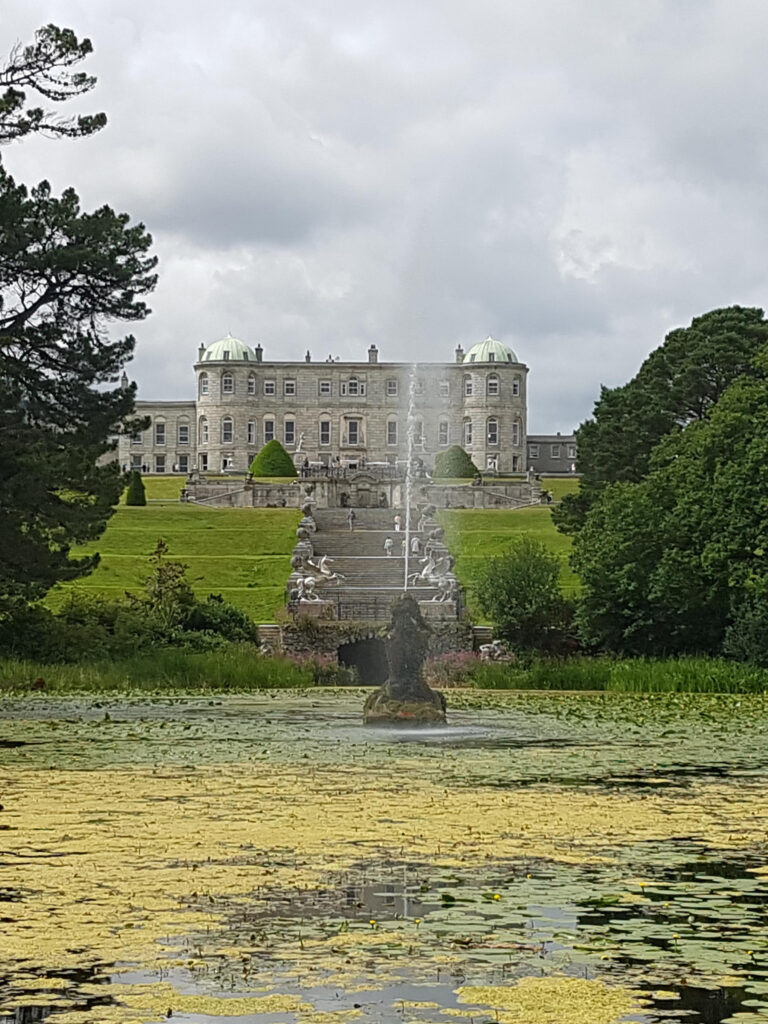
Powerscourt
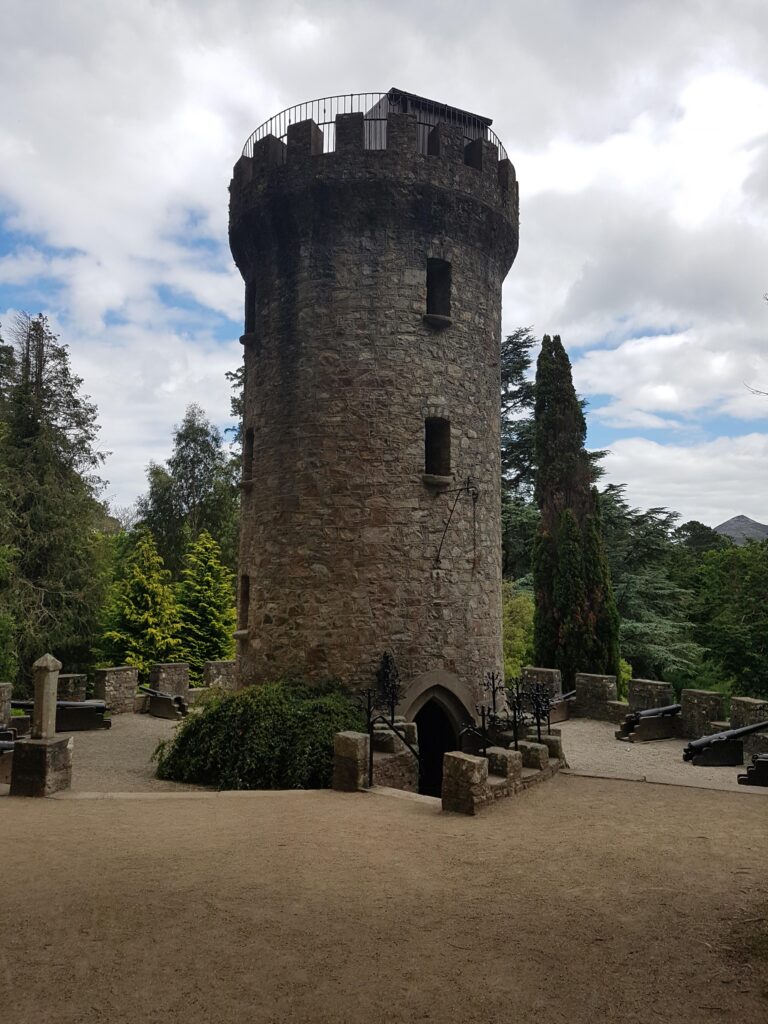
Pepperpot Tower
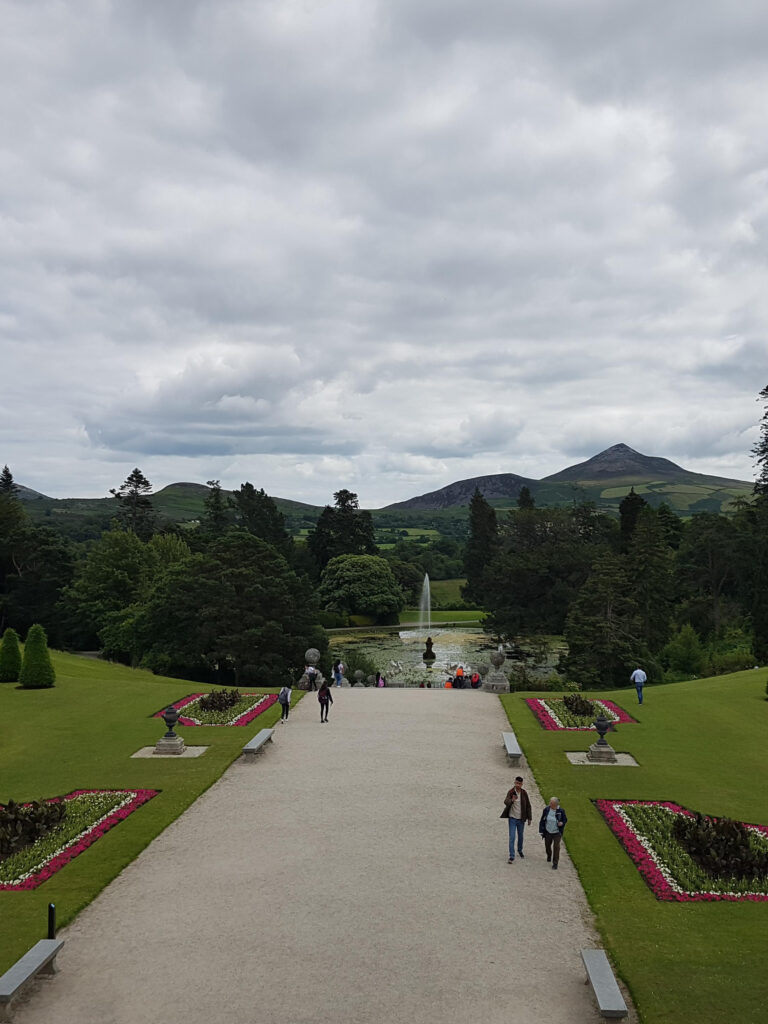
View from the front of Powerscourt Manor overlooking the gardens and Great Sugarloaf Mountain in the distance
Widok z frontowej części rezydencji Powerscourt na ogrody oraz górę Great Sugarloaf (w oddali)
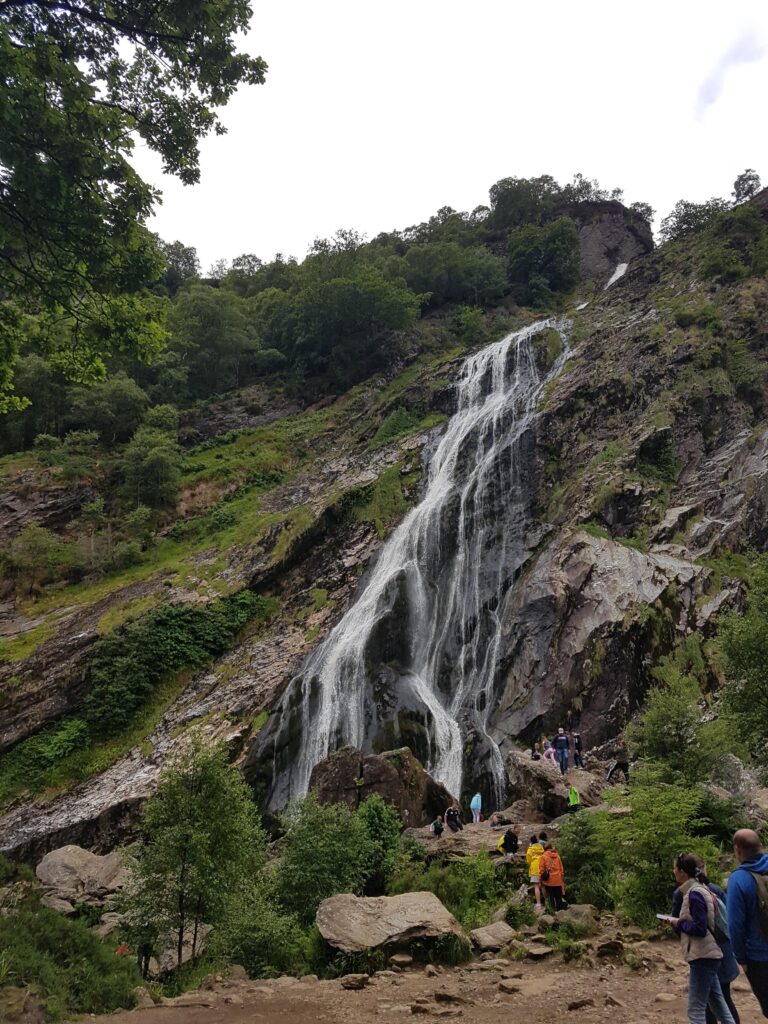
The highest waterfall in Ireland
Najwyższy wodospad w Irlandii
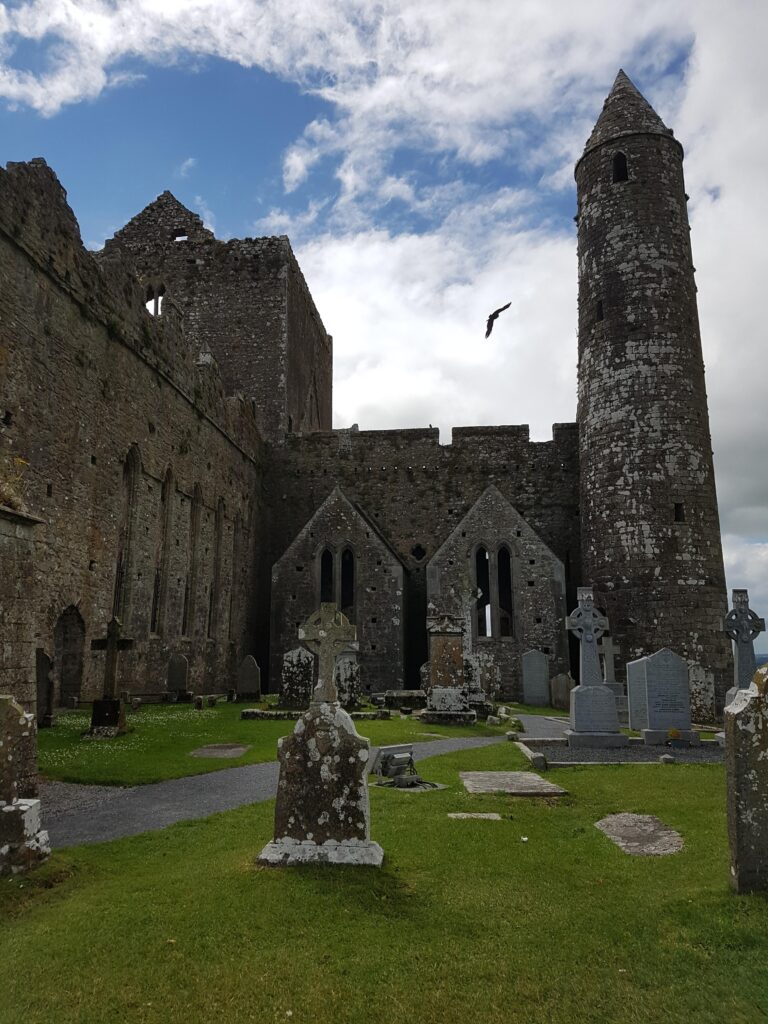
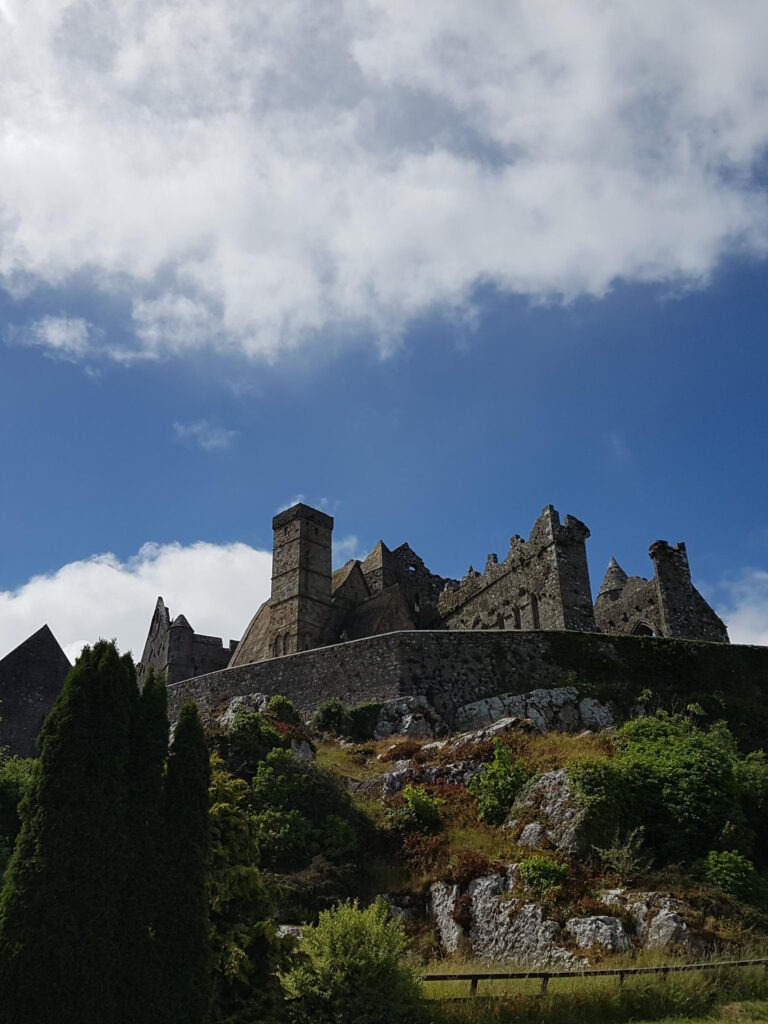
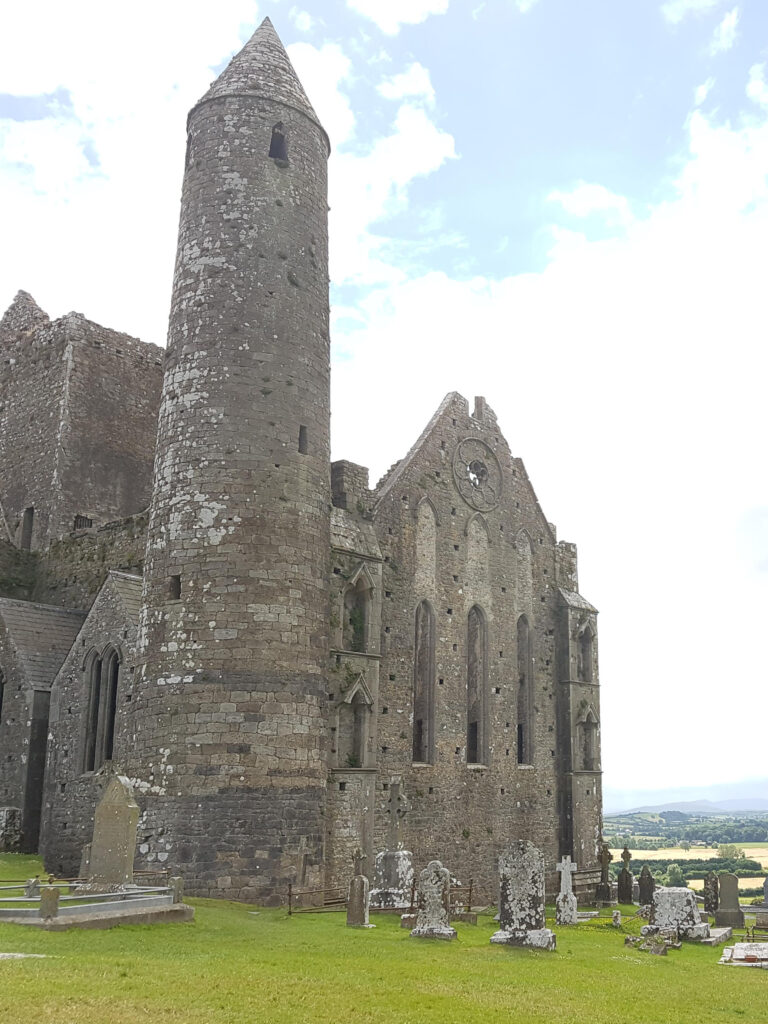
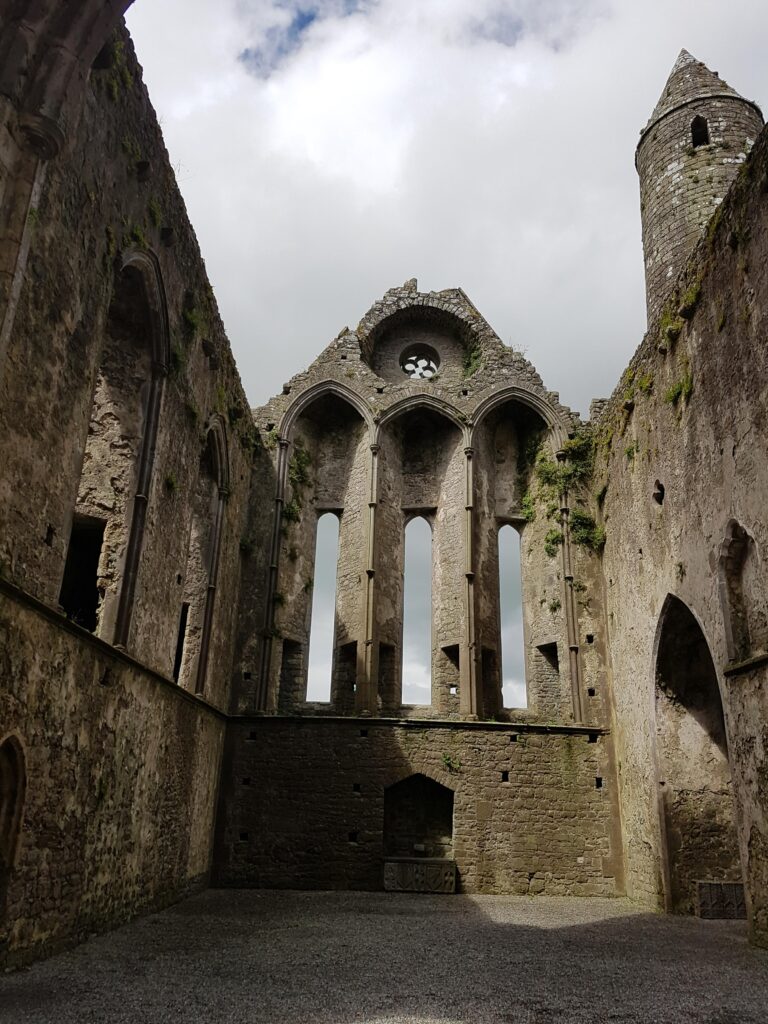
Rock of Cashel
Rock of Cashel is a complex of religious and defensive structures from the medieval era located in County Tipperary in the town of Cashel, approximately 167 km south of Dublin. All these structures are situated on a limestone hill. The word „cashel” comes from the Gaelic language and means „stone fort,” „fortress,” or „castle.” The place is shrouded in numerous legends, the most famous of which says that the rock was created by Satan, who flew over the area with a boulder in his teeth and, upon seeing St. Patrick (patron saint of Ireland), dropped the stone, thus creating the Rock of Cashel. Another legend has it that at this site St. Patrick plucked a three-leaf clover to explain the concept of the Holy Trinity to the local (Celtic) kings (each leaf was to symbolize a separate entity, constituting a whole, and thus three beings in one). According to another legend, St. Patrick baptized King Aenghus of Munster on this rock. The Rock of Cashel is thus associated with the beginnings of Christianity in Ireland, and historically it was the seat of the kings of Munster (one of the four provinces of the Republic of Ireland).
Rock of Cashel to zespół budowli sakralno-obronnych z czasów średniowiecznych znajdujący się w hrabstwie Tipperary w miejscowości Cashel, ok. 167 km na południe Dublina. Wszystkie te budowle położone są na wapiennym wzgórzu. Słowo cashel pochodzi z języka gaelickiego i oznacza „kamienny fort”, „twierdzę” lub „zamek”. Miejsce to owiane jest licznymi legendami a najsłynniejsza głosi, iż skała została utworzona przez szatana, który przelatywał nad tą z okolicą z głazem w zębach i gdy ujrzał św. Patryka (patrona Irlandii) upuścił ów kamień, tworząc tym samym Rock of Cashel. Kolejna legenda głosi, iż w tym miejscu św. Patryk zerwał trójlistną koniczynę aby wytłumaczyć miejscowym (celtyckim królom) idee Trójcy Świętej (każdy listek miał symbolizować osobny byt, stanowiący razem całość, a zatem trzy byty w jednej postaci). Zgodnie z inną legendą św. Patryk ochrzcił na tej skale króla Munsteru Aenghusa. Zatem Rock of Cashel utożsamiane jest z początkami chrześcijaństwa w Irlandii a historycznie była to siedziba królów Munsteru (jednej z czterech prowincji Republiki Irlandii).
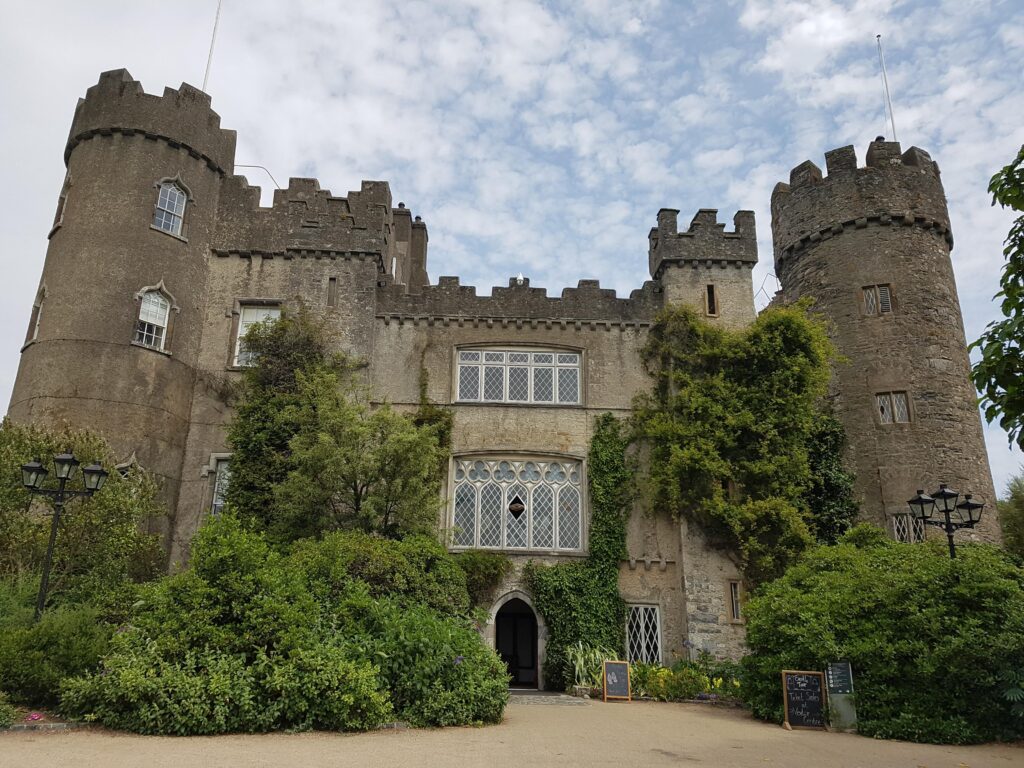
The castle in Malahid,
Zamek w Malahide
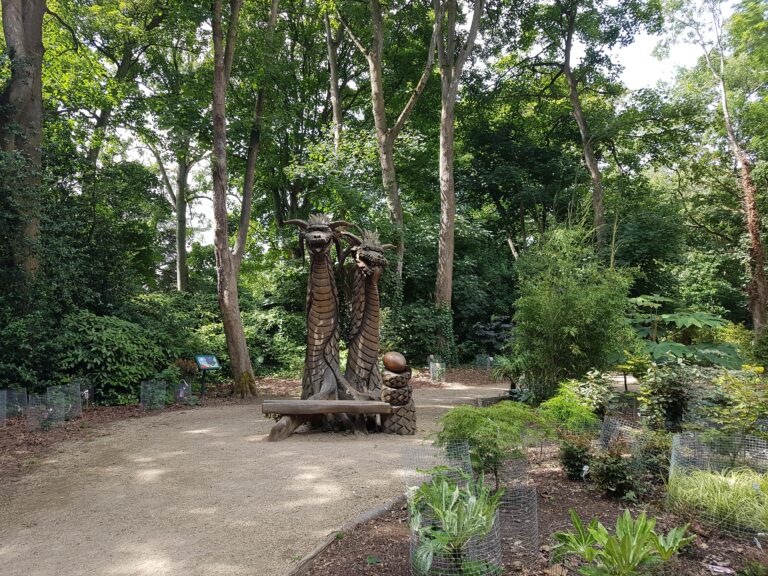
The gardens near the castle,
Ogrody wokół zamku
North of Dublin
Malahide is a picturesque town situated on Dublin Bay, approximately 16 km north of Dublin. Undoubtedly, one of Malahide’s greatest attractions and landmarks is the 12th-century castle, home of the Talbot family. Other attractions include a magnificent botanical garden, a Martello Tower, beaches and a marina for hundreds of yachts, scenic walks along the coast, and cricket fields.
Na północ od Dublina
Malahide to malownicza miejscowość leżąca nad Zatoką Dublińską, ok. 16 km na północ od Dublina. Niewątpliwie do największych zabytków i atrakcji Malahide należy zamek z XII w. będący siedzibą rodu Talbotów. Oprócz tego można tu zobaczyć okazały ogród botaniczny, Martello Tower, plaże i marinę na setki jachtów, ścieżki widokowe ciągnące się wzdłuż całego wybrzeża czy pola krykietowe.
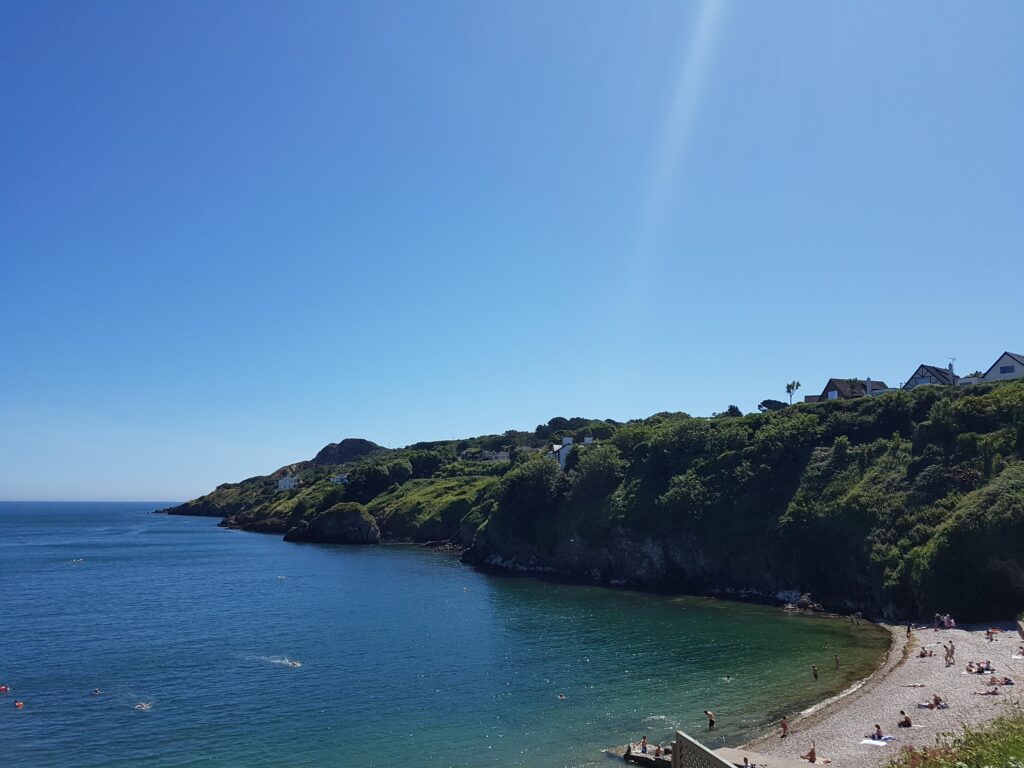
The coast in Howth
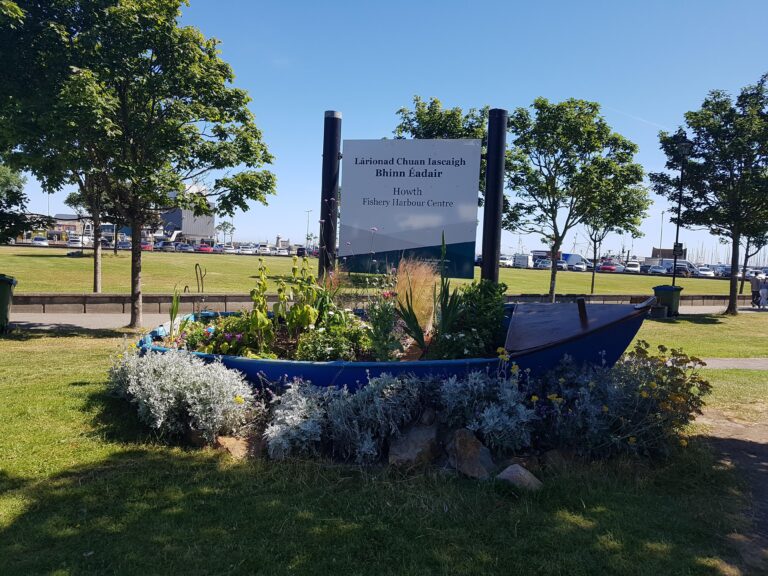
The centre of Howth,
Centrum Howth
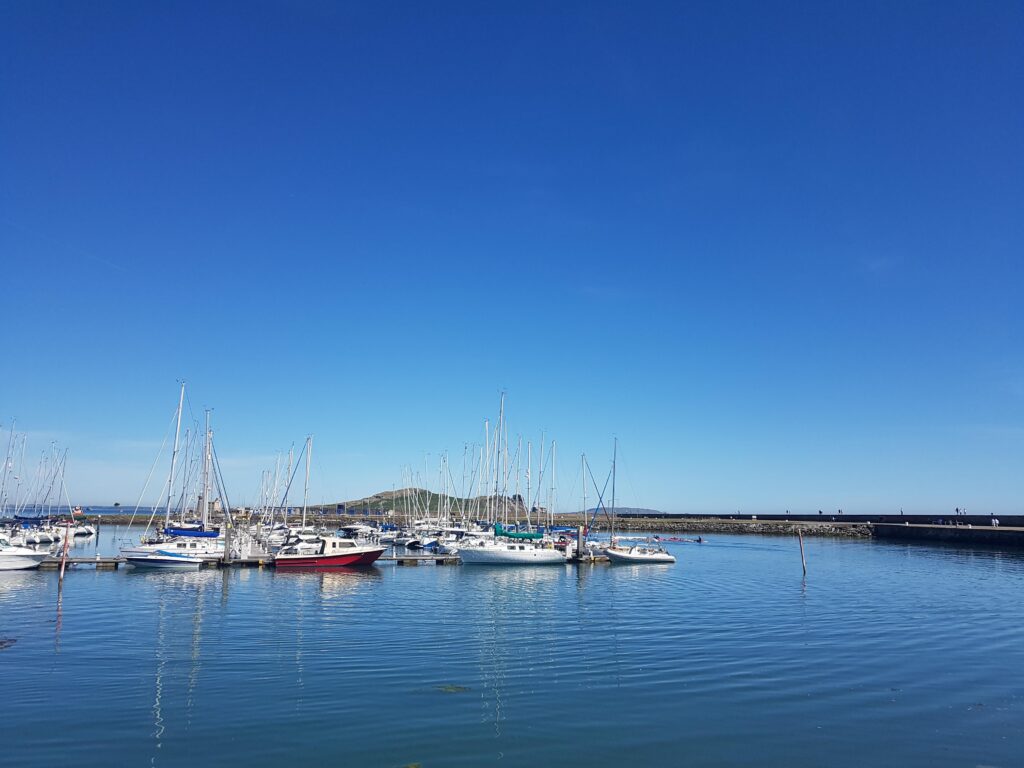
Yacht port,
Port jachtowy w Howth
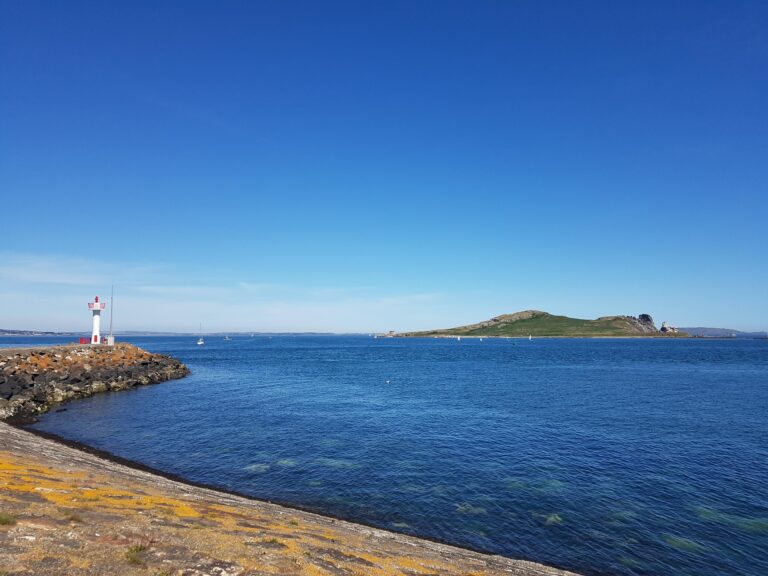
The marina and the lighthouse,
Promenada i latarnia morska w Howth
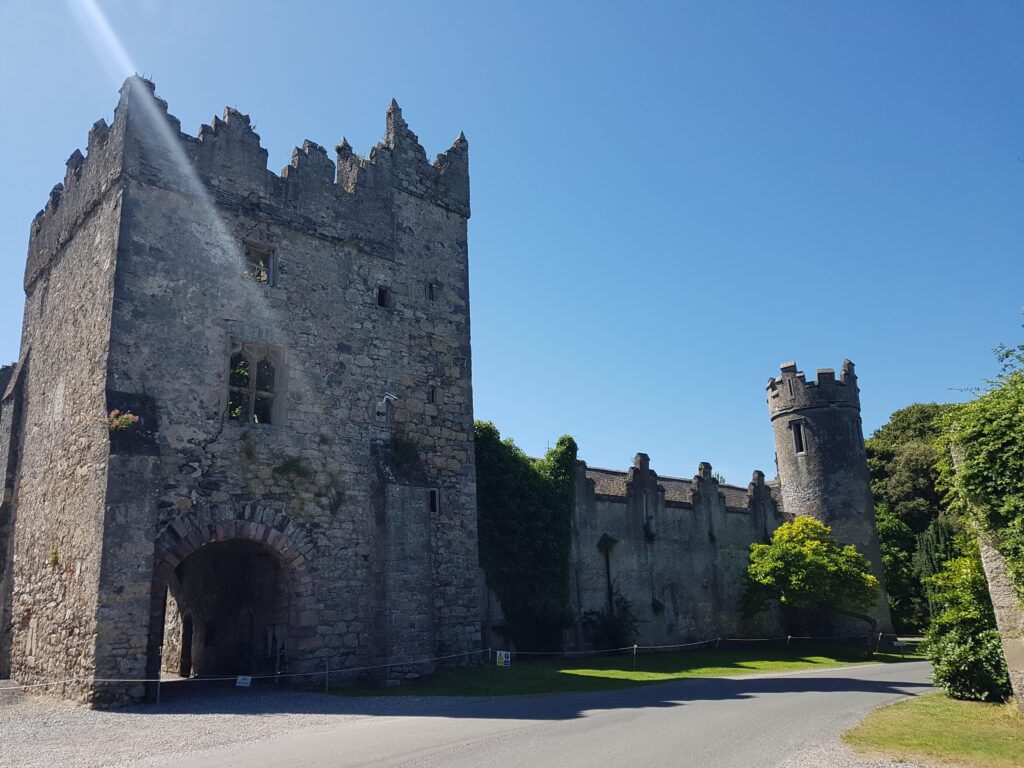
The castle in Howth, Zamek w Howth
East of Dublin
Howth is a charming place just half an hour from Dublin city center, a train journey from the center of the Irish capital to Howth. Other options include a bus (approx. 40 minutes) or car. Geographically, Howth is a peninsula and fishing port located approximately 15 km northeast of Dublin. It is famous for its beautiful sea views, rugged cliffs, coastal walking trails, and fresh seafood. Additionally, it boasts a Norman castle, a lighthouse, abbey ruins, and a yachting area. While in Hawth, it is also worth trying local delicacies, including the traditional dish of fish and chips. A place worth recommending is certainly Beshoff Bros in the very heart of Howth, where, especially at lunchtime, you should expect long queues, however, the taste and quality of the dish will certainly make up for the waiting time.
Na wschód od Dublina
Howth to niezwykle urokliwe miejsce zaledwie pół godziny od centrum Dublina bo tyle trwa podróż koleją z centrum stolicy Irlandii do Howth; inną opcją jest autobus (ok. 40 min) lub samochód. Geograficznie Howth jest półwyspem oraz portem rybackim zlokalizowanym ok. 15 km na północny-wschód od Dublina. Miejsce to słynie z pięknych widoków na morze, surowych klifów, szlaków pieszych wzdłuż wybrzeża czy świeżych owoców morza. Po za tym znajduję się tutaj normański zamek, latarnia morska, ruiny opactwa oraz part jachtowy. Będąc w Hawth warto spróbować również lokalnych przysmaków w tym tradycyjnego dania w postaci tradycyjnej ryby z frytkami a miejscem godnym polecenia jest z pewnością Beshoff Bros w samym centrum Howth gdzie zwłaszcza w porze lunchu należy liczyć się z dłuższymi kolejkami jednak smak i jakość dania z pewnością zrekompensują czas oczekiwania.
(Far) west of Dublin
Cliffs of Mohair This is one of the most popular and iconic places on the map of Ireland, visited by countless tourists from around the world. It’s truly a must-see during your stay in this part of Europe. The entire cliff is made of limestone and sandstone, and is approximately 14 km long, reaching a height of 214 m at its highest point.
Na (daleki) zachód od Dublina
Cliffs of Mohair to jedno z najbardziej popularnych a jednocześnie ikonicznych miejsc na mapie Irlandii, które odwiedzają rzesze turystów z całego świata. Rzeczywiście to niejako punkt obowiązkowy podczas pobytu w tej części Europy. Cały klif zbudowany jest z wapieni i piaskowców a jego długość wynosi ok.14 km, natomiast wysokość w najwyższym punkcie osiąga 214 m.
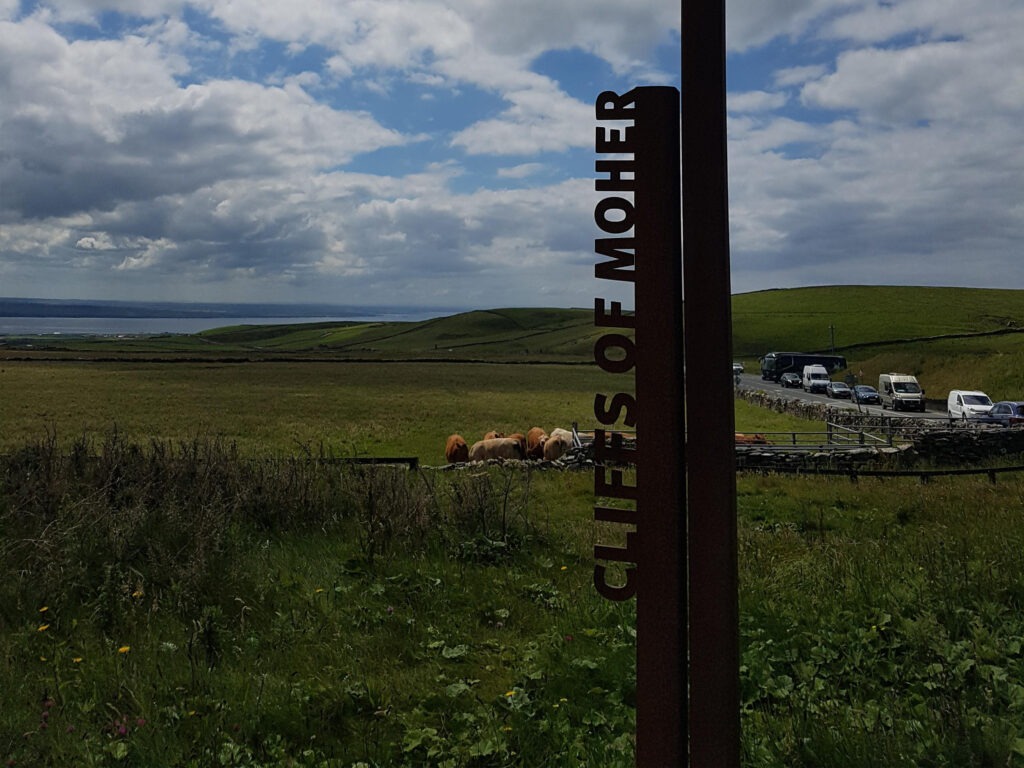
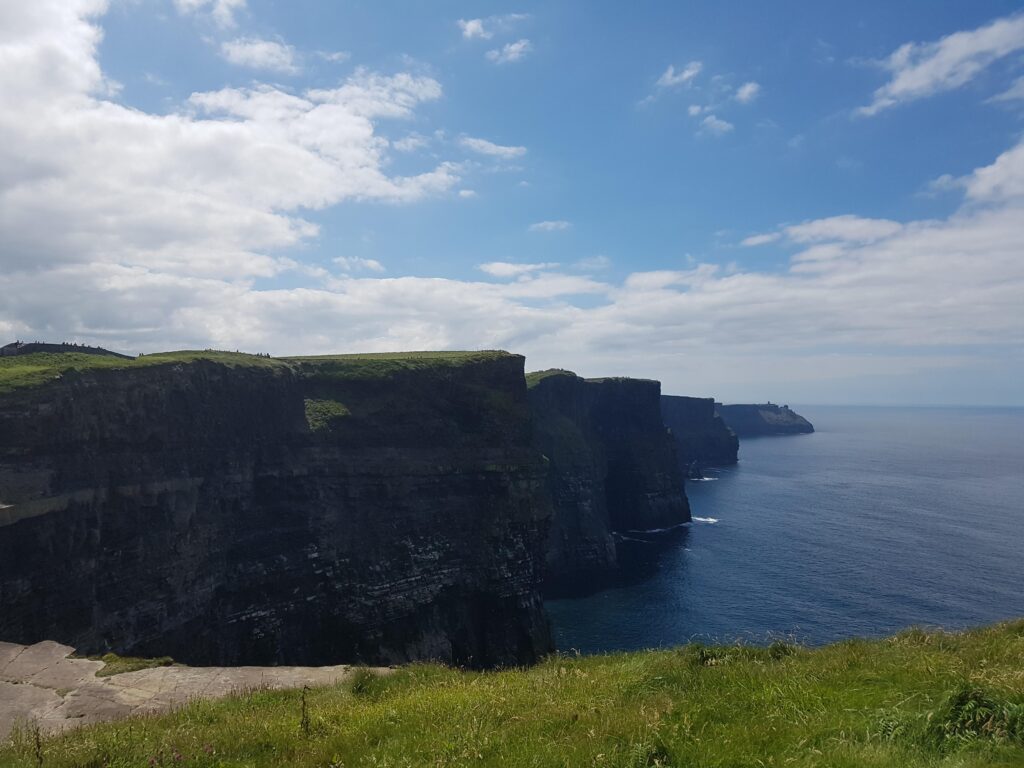
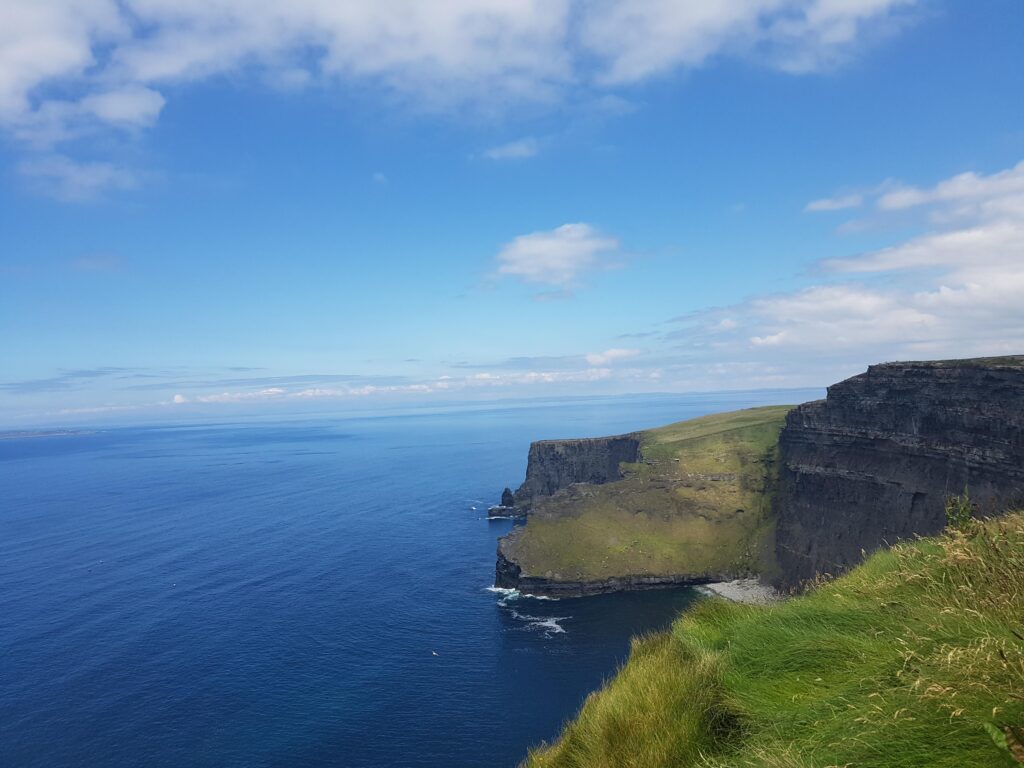
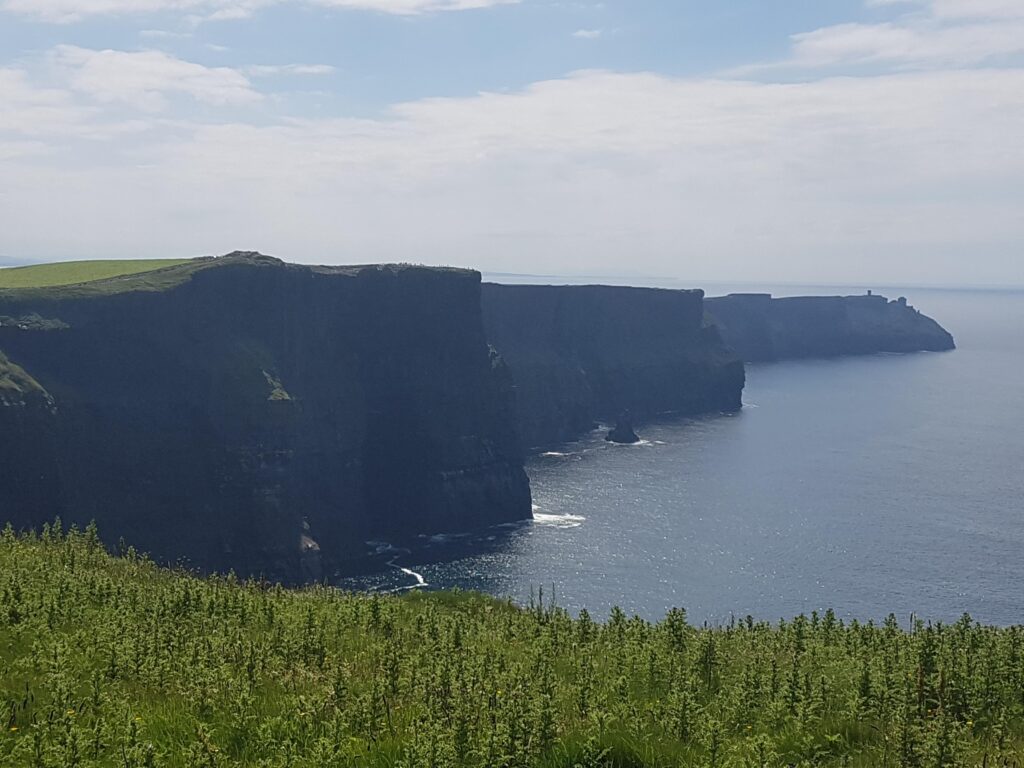
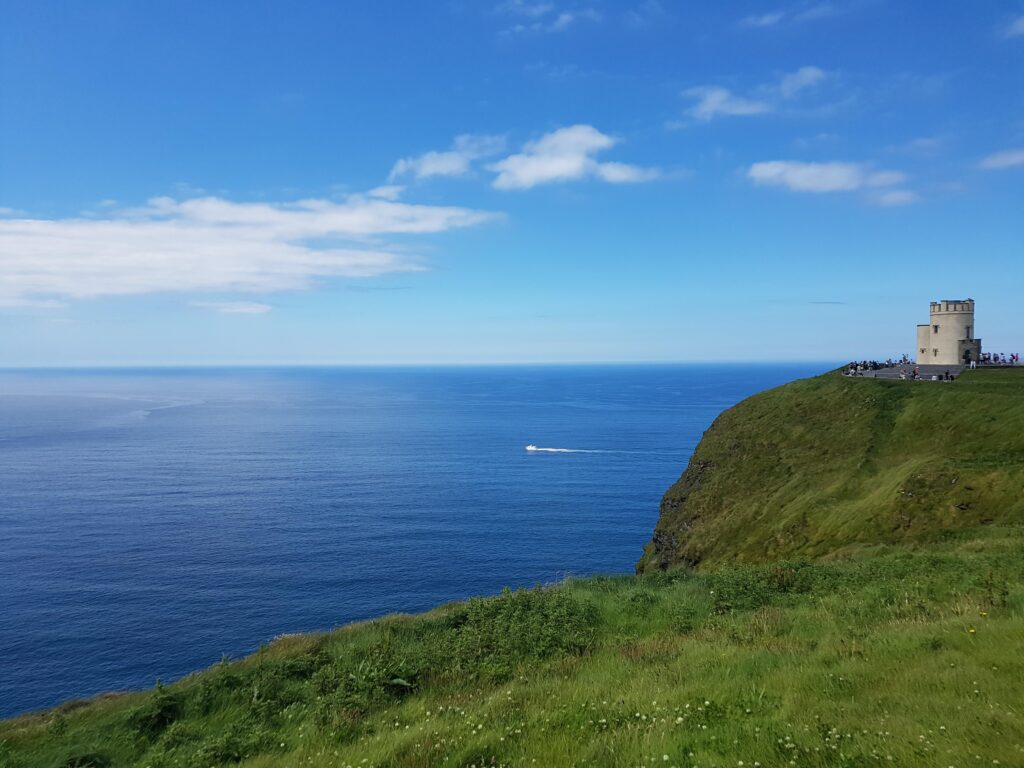
Cliffs of Mohair
As can be seen from the descriptions and the provided graphic material, Ireland has a lot going for it, especially in terms of nature, charming landscapes, a wealth of history, and a certain touch of magic. Without a doubt, a trip through the Irish cliffs, heaths, hills, or urban monuments steeped in history will make us, just like the author of this article, want to return to these places more often.
Jak widać na podstawie opisów oraz przedstawionego materiału graficznego, Irlandia ma wiele do zaoferowania szczególnie pod względem przyrody, urokliwych krajobrazów, bogactwa historii jak i pewnej dozy magiczności. Niewątpliwie wycieczka po irlandzkich klifach, wrzosowiskach, wzgórzach czy miejskich zabytkach nasyconych historią sprawi, że tak jak autorka tego artykułu będziemy chcieli wracać do tych miejsc częściej.